4 minute read · Brand comparison
Put the three products in the right frame
Miss Blue’s public site presents a dedicated iMessage line with a shared inbox and API. Sendblue markets business iMessage, API access and integrations. Twilio’s programmable SMS offering provides messaging capabilities for applications. Those descriptions establish advertised positioning, not equivalent plan scope or measured performance. Check the exact service you would purchase before comparing a price or feature.
Blue Index is published by the team behind Miss Blue. That relationship is relevant to this comparison, including our choice of questions. We have used public product and documentation pages, and we are not claiming an independent hands-on benchmark. The most useful next step is a pilot of the same business task under each candidate’s actual commercial and technical conditions.
Compare the starting point and the work around it
Use the table to organize the first vendor conversation. A product may offer additional capabilities, but a feature needs to be available in your intended plan and setup to matter. Ask for the documentation or demonstration that supports each required part of the workflow. Preserve unanswered questions rather than filling the gaps with assumptions.
The channel and the operator workspace are separate decisions. A team may want an included inbox, while an application builder may prefer to own the interface. Both still need a reliable way to handle replies.
| Candidate | Published starting point | Question to prove in your setup |
|---|---|---|
| Miss Blue | Dedicated iMessage line, inbox and API | Can the team complete its task with the quoted line and workflow? |
| Sendblue | Business iMessage, API and integrations | Does the selected plan support the required direction, volume and integration? |
| Twilio SMS | Programmable SMS for applications | Who builds or connects the inbox, events and business-state handling? |
Use one practical task for the first demonstration
Choose an expected order update or scheduling request that your team already understands. Send a fictional example to an authorized test participant, receive a normal answer and then introduce a changed request. Have a second colleague continue the conversation. Inspect the operational record and the reply path rather than stopping when an outgoing message appears.
For a custom API implementation, include the application components you would actually maintain. For a hosted workflow, use the intended staff accounts and permissions. Record the plan and configuration used for the demonstration. This keeps a polished vendor preview from being mistaken for proof that your own records, coverage and integrations are already working.
Ask about channel behavior and recipient experience
Apple distinguishes iMessage, RCS and SMS/MMS. Ask each provider which route the proposed setup uses, what is required to enable it and how an unavailable route is handled. Verify the recipient experience for the content you need, including media or links. Keep channel support separate from assumptions about customer preference or sales results.
A successful test on one phone is useful evidence for that case. Expand the test set to the devices, routes and message types relevant to your audience before making a broader operating decision. When a fallback is advertised, confirm its conditions, cost and effect on the reply thread. Record any limitations that could change how the team serves a customer.
Make the quotes comparable without inventing a total
Ask for written pricing against the same workload: lines, staff, traffic direction, message volume, media, integration and support. Confirm how plan restrictions apply to the intended conversation pattern. A per-line proposal and usage-based SMS charges need a common workload model before their totals can be compared meaningfully.
Include implementation and maintenance work in that model. An API-oriented choice may require application development or another inbox product; a hosted choice may still need CRM configuration and staff training. Keep setup costs separate from recurring spend and date the quote. The public pages are a starting point for questions, while the provider’s written offer should establish the commercial scope you are considering.
Shortlist by the constraints you can actually satisfy
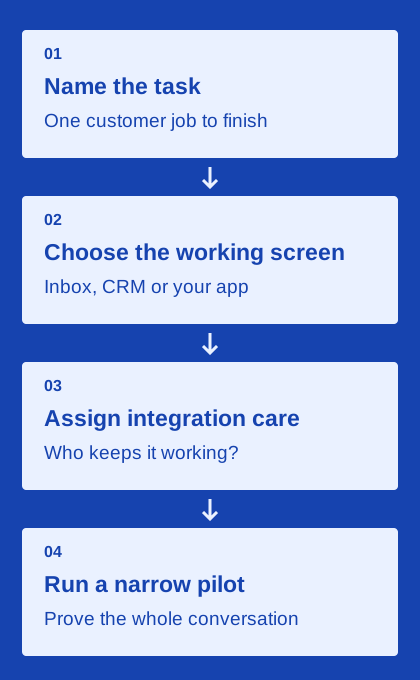
Write down the required channel, working interface, integration owner and acceptable recovery process. Then identify which candidates can demonstrate those requirements under a realistic plan. If two options pass, compare the remaining operating effort, commercial terms and portability needs. A universal winner would hide the differences between a small service team and a developer building its own product.
Use the individual reviews for provider-specific evidence notes and the companion demo guide for a repeatable evaluation. Keep the observed result, unresolved questions and ownership disclosure with the decision. The purpose of this comparison is to make the next buying conversation more concrete, with an explanation another member of your team can inspect.